









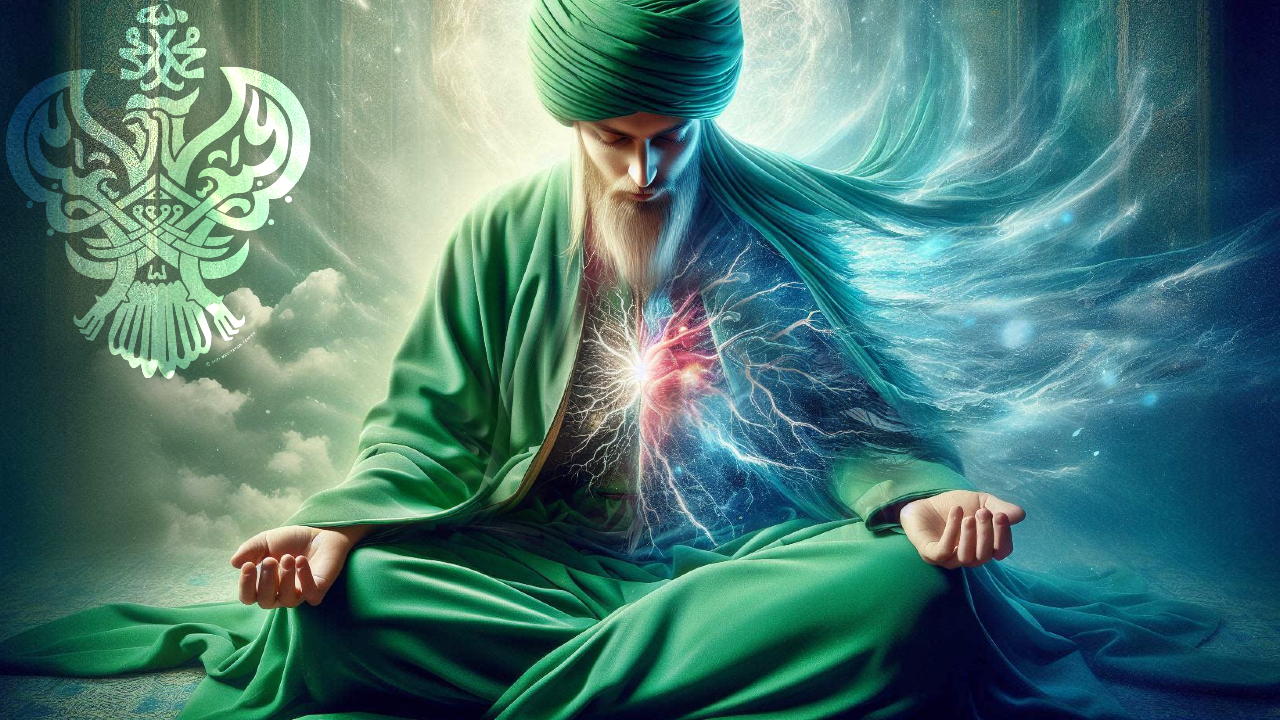
Importance of Jihadil Akbar (Greater Struggle) in End Times Q&A

From the Realities of Mawlana (Q) as taught by Shaykh Nurjan Mirahmadi.
أَعُوذُ بِاللَّهِ مِنَ الشَّيطَانِ الرَّجِيمِ
بِسْمِ اللهِ الرَّحْمَنِ الرَّحِيمْ
A’uzu Billahi Minash Shaitanir Rajeem
Bismillahir Rahmanir Raheem
I seek refuge in Allah from Satan, the rejected one
In the Name of Allah, the Most Beneficent, the Most Merciful
Alhamdulillahi Rabbil ‘aalameen, was salaatu was salaamu ‘alaa Ashrafil Mursaleen, Sayyidina wa Mawlana Muhammadul Mustafa ﷺ. Madad ya Sayyidi ya Rasulul Kareem, Ya Habibul ‘Azeem, unzur halana wa ishfa’lana, ‘abidona bi madadikum wa nazarekum.
Atiullah wa atiur Rasul wa Ulil amre minkum. Always a reminder for myself, ana abdukal ‘ajeez, wa dayeef, wa miskin, wa zhalim, wa jahl, and but for the grace of Allah (AJ) that we’re still in existence.
أَطِيعُوا اللَّهَ وَأَطِيعُوا الرَّسُولَ وَأُولِي الْأَمْرِ مِنكُم… ﴿٥٩﴾ …
4:59 – “…Atiullaha wa atiur Rasula wa Ulil amre minkum…” (Surat an-Nisa)
“…Obey Allah, obey the Messenger, and those in authority among you…” (The Women, 4:59)
Question 1: When we have continuous chatter and backbiting around us all day in the workplace, how can we shut ourselves off from that situation?
 Shaykh Nurjan Mirahmadi: You have to get the Timeless Reality [A Timeless Reality] inshaAllah.
 Meditate, contemplate, put your ta’weez (prayer for protection), that is called Jihadil Akbar (greater struggle). So these types of questions on how to struggle; and it’s a struggle. So this is how we make our wudu (ablution), make our meditation. Why Prophet ﷺ is telling warriors who fought two battles a day that, ‘When I leave this earth now coming for you Jihadil Akbar.’ Hmm? You tell the most fiercest warriors Allah (AJ) created – the Holy Companions, that, ‘You’re going to be facing Jihadil Akbar soon.’ They were astonished that, ‘This wasn’t Jihadil Akbar our lives with you?’ Said, ‘No, this was a nice jihad, other ones are coming when I’m not here is going to be the immense fight.’
عَنْ جَابِرُ قَالَ قَدِمَ عَلَى رَسُولُ اللَّهِ ﷺ قَوْمٌ غَزَاةٌ. فقَالَ النَّبِيُّ ﷺ: ” قَدِمْتُمْ خَيْرَ مَقْدَمٍ مِنْ الْجِهَادِ الْأَصْغَرْ إِلَى الْجِهَادِ الْأكْبَرْ.” قِيْلَ وَمَا اَلْجِهَادِ الْأكْبَرْ؟ قَالَ ﷺ: ” مُجَاهَدَةُ الْعَبْدِ هَوَاهُ .” [البيهقى في كتاب الزُّهدِ الْكَبِير ٣٧٣]
“An Jabiru (as) qala, ‘qadema ‘ala Rasulullahi ﷺ qawmun ghazatun. Faqalan Nabiyu ﷺ : “Qademtum khaira maqdamin min jihadil Asghar ilal Jihadil Akbar.” Qeela “wa ma al Jihadil Akbar?” Qala ﷺ : “Mujahidatul ‘abdi hawahu.” [ Bayhaqi fi Kitab Az Zuhdil Kabir 373]
Jabir (as) narrated: ‘Some warriors came to the Holy Prophet. The Prophet (Muhammad) (pbuh) said to them, “Welcome back from the minor Jihad/Struggle to the greater Struggle.” It was asked, ‘What is the greater struggle Oh Prophet of Allah (Pbuh)?” The Prophet (pbuh) replied: “it is the servant’s fight/struggle against his own Ego/worldly desires.” [Bayhaqi in book of ‘The Great Asceticism 373]
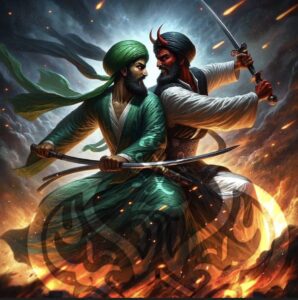 So that means what? You’re going to have fight at work, fight at home, fight at family, fight on the street, fight everywhere. Not fight with people but we’re going to fight ourselves. So this is very hard. Why? Because there’s no reward for these fights, you don’t get money from it, you don’t get the bounty of you know taking somebody’s property. This fight has no reward that can be seen other than good character. So they fight you at work, you stay quiet, be calm. You know not to be oppressed by people but to control and to be moderate in our understandings, controlling ourself with everything around.
 So it’s a continuous fight, nothing of which is easy. That’s why Prophet ﷺ described: ‘This is akbar (greater),’ this is going to be the fight of your life. If you’re the people of the last days, my goodness ‘These are my ‘ashiqeen (lovers) and muhibbin (lovers of the way). They love me and I love them.’
عَنْ أُنْسِ بْن مَالِكٍ رَضِيَ اللَّهُ عَنّه قَالَ: قَالَ رَسُولُ اللهِ ﷺ َ:” مَتَى أَلْقَى أَحْبَابِيْ؟ فَقَالَ أَصْحَابُهُ: بِأَبِينَا أَنْتَ وَأُمِّنَا، أَوْ لَسْنَا أَحْبَابَكَ؟ فَقَالَ ﷺ: أَنْتُمْ أَصْحَابِيْ، أَحْبَابِيْ قَوْمٌ لَمْ يَرَوْنِيْ وَآمَنُوْا بِيْ. وَأَنَا إِلَيْهِمْ بِالْأَشْوَاقِ لأَكْثَرَ.“ [مُسْنَدَ الْفِرْدَوْسِ- ٤ / ١٤٨]
‘An Ansi bin Malik (ra) Qala, Qala Rasulullahi ﷺ:“Mata alqa Ahbabi? Faqala Ashabuhu: bi abina anta wa ammena, aw lasna ahbabak? Faqala ﷺ : Antum Ashabi, Ahbabi, qawmun lam yarawni wa aamano bi, wa ana ilayhim bil ashwaqil aksar.”
Narrated by Anas Ibn Malik, the Messenger of Allah (pbuh) said: “When would I meet my beloveds? The holy companions said: May our fathers and mothers be sacrificed for you, aren’t we your beloveds? The prophet (pbuh) said: you are my companions. My beloveds are those who had never seen me and believed in me. And I am deeply longing for them”. [Source: Musnad Al Ferdaus (4/148).]
 That’s why they just explained this tonight. If you want that title (Ahbab), then it’s not only about your worshipness and being proud of you worshiping better than other people and commenting against other people and their worshipness. This is about the hue and the beatific color of your soul that can only be achieved by your level of service and durood (praising on Prophet Muhammad ﷺ) and ‘ishq (love) and muhabbat (love) of Sayyidina Muhammad ﷺ. So then this is what gives us that reward in these days.
Quran’s References to Sayyidina Lut (as)
Read Qur’an and read ayah (verse) about Lut (as). You think in those few ayatul kareem (the generous verse of Holy Qur’an), they came, they got angry, they terrorized Sayyidina Lut (as)?
قَالَ إِنَّ هَٰؤُلَاءِ ضَيْفِي فَلَا تَفْضَحُونِ ﴿٦٨﴾ وَاتَّقُوا اللَّهَ وَلَا تُخْزُونِ ﴿٦٩﴾ قَالُوا أَوَلَمْ نَنْهَكَ عَنِ الْعَالَمِينَ ﴿٧٠﴾
15:68-70 – “Qaala inna haaa’ulaaa’i daifee falaa tafdahoon. (68) Wattaqul laaha wa laa tukhzoon. (69) Qaalooo awalam nanhaka ‘anil ‘aalameen. (70)” (Surat Al-Hijr)
” [Lot] said, “Indeed, these are my guests, so do not disgrace me.(68) And fear Allah and do not put me to shame.(69) They said, Have we not forbidden you from [protecting] the worlds (people/outsiders)?” (The Rockey Tract, 15:70)
(١٦٧) قَالُوا لَئِن لَّمْ تَنتَهِ يَا لُوطُ لَتَكُونَنَّ مِنَ الْمُخْرَجِينَ
“They said, If you do not desist, O Lot, you will surely be of those evicted.” (The Poets, 26:167)
فَمَا كَانَ جَوَابَ قَوْمِهِ إِلَّا أَن قَالُوا أَخْرِجُوا آلَ لُوطٍ مِّن قَرْيَتِكُمْ ۖ إِنَّهُمْ أُنَاسٌ يَتَطَهَّرُونَ (٥٦)
27:56 – “Famaa kaana jawaaba qawmiheee illaaa an qaalooo akhrijooo aalaa Lootim min qaryatikum innahum unaasuny yatatahharoon” (Surat Al-Naml)
“But the answer of his people was not except that they said, Expel the family of Lot from your city. Indeed, they are people who keep themselves pure.” (The Ant, 27:56)
 Now turn on the news and what do you see? They’re coming into everyone’s school, Luti. Same, same exact situation but now worldwide. You read ayatul Qur’an two ayahs (Quran 26:165-166) and you say, ‘Oh okay’ and pass it. Now you actually get to live it, you live it. You see that what they say and what they’re planning on doing to children. They are supposed to be teaching math and sciences, not what to do with their body parts. They have nothing to do with that, that’s not what they were hired to do. But why the Lutis are doing this? We’re seeing the last days, we’re seeing what’s happening.
 So now ayatul Qur’an, every ayah you read it’s coming to life. So this is akbar, these are the times of akbar, these are the times of immense difficulty opening. So it’s not going to be something easy, it’s not going to be something small. But the reward from Allah (AJ) is great. We can get through the difficulty with the love and the presence of Sayyidina Muhammad ﷺ and that becomes our shield, that becomes our protection, that becomes our guidance, that becomes everything for us.
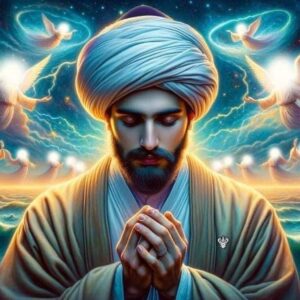 The level of ‘ishq and of love of Prophet ﷺ, imagine that’s the shield of these ‘ashiqeen. They have so much love for Prophet ﷺ that when people come to do bad to them, they’re being guided. Because these angels don’t want anything to happen to these ‘ashiqeen because they emanate the love of Prophet ﷺ. At every step they’re warning, ‘Watch out. They’re going to do this, they’re going to do that, they’re going to do this, they’re going to do that.’ People are astonished, ‘How are they so warned and so prepared for everything?’ This is a sign, this is the way of realities. When you have this love, Allah (AJ) is with you, protection is with you. Those whom don’t have that love, they’re trying to figure it out and figure their way out on this Earth.
 But inshaAllah Allah (AJ) keep us in that love, shield us with that love and protect us by means of that love. That’s why the khidmat and service is so important in these days so that we’re under the nazar (gaze) of Sayyidina Muhammad ﷺ, inshaAllah.
Question 2: Sayyidi I feel no motivation for dunyawi (worldly) struggles apart from basic requirements. When I start relinquishing free will, if everything is written why focus on dunya (material world)?
Shaykh Nurjan Mirahmadi: This is a statement or a question? If it’s a statement then alhamdulillah don’t focus on it. But if you’re a philosopher and you say, ‘Everything is written so why do I have to do anything,’ those things don’t work with Allah (AJ).
 So you live life as if you’re living forever. So all day long you have to struggle saying that, ‘I have to feed my family, pay my rent.’ But night time you worship as if Armageddon is coming in the morning. So meaning what? You do your ‘ibadah, you do your worship, you make your madad (support), you make your connection because ‘I know tonight is finished. I’m going to hear the takbir (name of phrase “God is Great”) of Sayyidina Mahdi (as), by morning the world has evaporated.’ Then you wake up, see the morning is here, ‘I have to work again,’ and you work.
 So it means that the perfection of character is that Allah (AJ) wants us to do the best to take care of our family and to struggle. It’s not a philosophy. Don’t use philosophy on these realities. I have to struggle because Allah (AJ) wants me. I go to work, I do everything, I’m not emotionally attached to it, I’m not trying to conquer a career at this office, I get my paycheck and go home. We described that the night before and it was very clear. You don’t have to go to cafeteria wishing everybody happy birthday, ‘This is my work family,’ no, no, no, this is haram (forbidden). There’s no work family, you only have one family and you do your work and go home.
 So they work hard and they take their paycheck, they don’t need to socialize and at night they worship and do their zikrs (Divine remembrance) and their salawats (praises upon Prophet Muhammad ﷺ) on the fear that difficulty’s coming, sickness is coming. So these are what balanced servants do, inshaAllah.
Question 3: How can one stay mindful in prayer if the congregation prayer is prayed too fast?
Shaykh Nurjan Mirahmadi: Your prayer and mindfulness is when you’re at home not in congregation. That’s the Wahhabi thing. The Wahhabi ideology is that they come for congregation and become a time to show off and they do all their ‘ibadah (worship) in outside for people’s eyes.
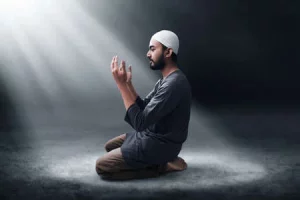 Tariqah (spiritual path) comes and teaches – your true ‘ibadah has to be hidden. So our congregational prayer should be at a speed that’s okay for children and elderly, not too long and not too harsh and not too you know showing off. Read your short surahs (chapters), finish your salah (daily prayer), it’s enough. But if you’re trying to impress the association, you begin to recite very long, people can’t take it, people are not well and that’s not the way that Prophet ﷺ described for ourselves. That be conscious of the older and the young, they’re not able to carry that.
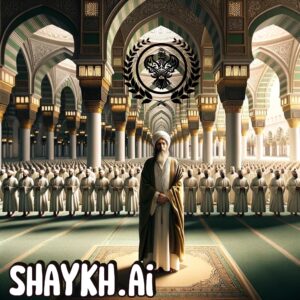 Turuqs (spiritual paths) come and teach also all the bad characteristics are coming in at that time. The person is showing off, the people are being distracted and if you truly want to pray long then don’t do it with people observing you. Most people who pray long, they go home and pray short, very short or even if they pray at all because everything is for the eyes of people. But when you pray at a moderate speed in the mosque and you pray long at home. When nobody’s looking at you, you pray. You go into sujood (prostration), you cry. You go into sujood, you meditate. Those are the worshipness that are dear to Allah (AJ), not external.
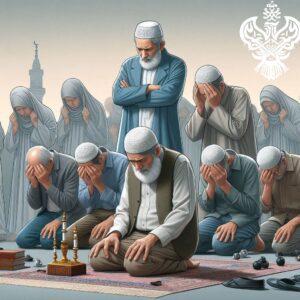 So that’s why we have to de-program ourselves from what these people have taught. They do everything long in front of people and that’s not, because the nafs (ego) may enter into the worshipness and void all of the worshipness and the jama’ah (congregation) behind is becoming frustrated, they’re losing their salah. So then the imam (religious leader) is responsible for that too. You’re going so long the person can no longer concentrate, he’s now moving, fidgeting, you’re responsible because you made it so long that you lost the sheep behind you.
 So when a shepherd guards his flock, he walks from behind. Right? Why? To watch where the sheep are going so the wolves are not coming to eat his sheep. But when you go long, you became heedless for what’s happening behind you and you’re like enjoying yourself and thinking, ‘I wonder if the people are so impressed, look how long I can pray, how many ayatul kareem I have memorized.’
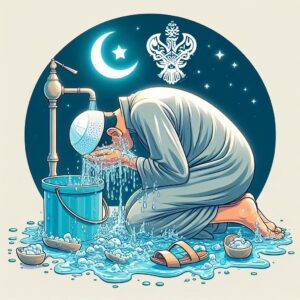 So we avoid all of those situations and it’s best to do those privately so that Allah (AJ) can be impressed with the servant privately, ‘Oh mashAllah look you do all these things.’ We said even wudu (ablution) – the most dangerous is wudu. That make your wudu very good when you’re at home. In front of people make wudu like a madman; don’t talk, wash fast, get out. Because again everything in their false ‘aqidah (belief) is to do everything the opposite. They go into the facilities in a masjid and they excessively use water all over themselves so you think this person is tahir – is purified. But at home they don’t even care to wash the stains from their body and they barely make their wudu.
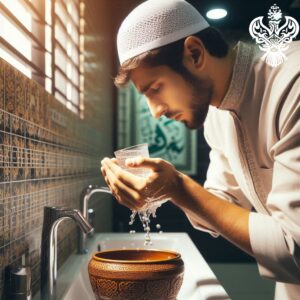 So that’s the opposite. It means in front of people wash fast, don’t talk, get onto your salah. At home then make sure that a clean wudu, everything is washed and that you come out pure and purified with the least amount of water and the most amount of purity and you make your salah. So it means everything the tariqah teaches is for moral excellence. Not for the eyes and the wantings and the happiness of people but to take away from what people are looking at and that we do what we do for the sake of Allah (AJ), inshaAllah.
Question 4: In this month of quaking is it possible that we only feel negative energies coming out and not bad characteristics. Forgive me for my bad adab (manners)?
Shaykh Nurjan Mirahmadi: On the negative energies, bad characteristics? What did you think bad characteristic came out as?
 So if you’re feeling negative energy everywhere and you’re getting angry, all of these things are coming out, they’re coming out. Because the anger comes out, the bad words come out, the bad character comes out, all of these things come out so that Allah (AJ) can show. Hasad (jealousy); people go someplace and all of a sudden these sort of crazy hasad statements come out and people’s jealousies come out. Maybe they didn’t even know they had this type of jealousy but then Allah (AJ) shows to the servant that, ‘No, no these are within you and your Hajj (pilgrimage) won’t be accepted until these are taken away.’
 It’s not a coincidence that Allah (AJ) put zalzalah (earthquake) before Hajj. Because what’s Hajj? It is the Kawthar (The Fountain of Abundance). On the 12th hijab (veil) times the power of 9 (12×9=108) comes Surah Kawthar. How Allah (AJ) going to give the servant to drink from the Kawthar oceans when the mirror and the quaking of the reflection shows all these bad characteristics?
 They have to do many qurbans (sacrifices) and they have to acknowledge their bad character and say, ‘Ya Rabbi what I couldn’t purify, take in the ransom of my qurban, take away these bad characteristics.’ That’s why that when they would do the qurban they would put the mark of it that, ‘Ya Rabbi it’s not the blood that reaches but with the sacrifice of this creature take away my bad energy and my bad characteristics and my deficiency.’
 That’s why it’s so important to feed people, to give water. All of the things that we put into our system of putting faith in action – they are not just practices but they’re a means and tools for our community. That if you’re sitting and meditating asking to reach towards Divinely Presence and you know that you’re deficient in your characteristics, feed people. They wipe out the sins within our category. Everyone has to know themself. They know what they said, what they did wrong, what they do wrong. So by having a means in which to do good, they wipe out the bad.
 You know then you want to reach to The Fountains of Kawthar, at least open the fountain of water for yateem (orphans) and poor people so that they can drink from that water. Say, ‘Ya Rabbi as I gave to these people to drink for water and sponsored them, let me to drink from Your waters of paradise and the Kawthar oceans.’ So it means everything has an immense hikmah (wisdom). The charity and the good deeds of mankind wipe away their sins and shortcomings.
 That’s why we said the immensity of the qurban. If when you go back into our teachings of the Hajj and the reality of Hajj and the reality of Maqamul Ihsan (Station of Moral Excellence). Islam, Iman (faith) wal Maqamul Ihsan. That Maqamul Ihsan has to defend you. Right? That the Islam perfect. Sitna Maryam (as) is representing the station of faith, Sayyidina Isa (as) represents Maqamul Ihsan, awlaadus saliheen. It was not for her to defend herself amongst people. Why does her iman have to defend? Why does somebody of faith have to defend themself to dirty dunya people? They thought they’re akhirah (hereafter) people but they as soon as they opened their mouth, they became dirty dunya people. Let Maqamul Ihsan speak for itself. Right? Because your faith in action will speak for itself.
 When they come to question you what you did wrong, you don’t have to speak; your actions will step forward and say, ‘No, no I’m the water that this servant gave, I’m the food that this servant fed people.’ Sayyidina Isa (as) defended the mother and spoke as a child and even then the dirtiness of people became even dirtier and they didn’t even accept his speaking as a miracle. That’s why Allah (AJ) said, ‘Why should’ve Islam defended it if even her iman is not going to be defending the people?’ Maqamul Ihsan, they won’t even accept. But these are the immense realities of this path.
 So the people whom are trying to perfect their Islam for Hajj, perfect their Maqamul Iman (Station of Faith) and faith on this Hajj and asking Allah (AJ), ‘Open for me a reality – awlaadus saliheen (righteous children) – my birth of my reality to come as Maqamul Ihsan. Let my perfection defend me. Any shortcomings that I’m having every year Ya Rabbi with the promise of this qurban for the nation of Sayyidina Muhammad ﷺ, take away these imperfections.’ That creature makes its Mi’raj (Ascension) based on that. Can you imagine that a normal creature that just eats and moves and does nothing, by means of the most honored in creation, “Wa laqad karramna bani adam” comes to this creature and says that, ‘By your sacrifice take my burdens off of me.’
(٧٠) …وَلَقَدْ كَرَّمْنَا بَنِي آدَمَ
17:70 – “Wa laqad karramna bani adama…” (Surat Al-Isra)
“And We have certainly honored the children of Adam…” (The Night Journey, 17:70)
 The Mi’raj of that creature is granted a Mi’raj because of that servant. So Allah (AJ) has an entire system in play where no mind people come, ‘Why you have to do qurban?’ Well, that creature wouldn’t have reached a Mi’raj without that. What an honored station that lamb reached that he took the sins of Bani Adam (children of Adam) and carried them for the sake of Allah (AJ) in His Divinely Presence. Then the light of that creature has its own Mi’raj and ascension and Allah (AJ) does with that light what Allah (AJ) wants to do with that light but that was the greatest existence.
 Everything came into existence to serve. When an apple came into existence from a tree, it came to the service of Allah (AJ). That one of Allah’s (AJ) creatures would eat from its fruit and nourish itself. After it ate from its fruit, its seeds would go back into the Earth to replicate the entire system of coming again and producing food and sustenance for Allah’s (AJ) creatures. So everything in Allah’s (AJ) way has an immense, immense hikmah and immense blessings and realities, inshaAllah.
Question 5: When Sayyidina Abu Bakr as Siddiq (as) mentioned he left only Allah (AJ) and Prophet ﷺ for his family, when testings make us feel our only truth of love is Prophet ﷺ is this what he meant?
Shaykh Nurjan Mirahmadi: Sayyidina Abu Bakr as Siddiq (as) gave everything in the way of Allah (AJ).
 That Prophet ﷺ had called the companions that they need to go to battle and they need to arm their nation. Each of the companions went back to get their supplies to give to Prophet ﷺ to sell and to arm the nation. From that Sayyidina Umar (as) came with half the sustenance of his home and then Sayyidina Abu Bakr as Siddiq (as) came and brought the entirety of his possessions. All his assets he put in the presence of Prophet ﷺ and Prophet ﷺ was astonished and said, ‘Ya Abu Bakr (as) what you left for your family?’ Said, ‘La ilaha illAllah Muhammadun Rasulallah ﷺ.’
لَا إِلَهَ إلاَّ اللهُ مُحَمَّدٌا رَسُولْ الله
“La ilaha illallahu Muhammadun Rasulallah”
“There is no deity but Allah, Prophet Muhammad is the messenger of Allah.”
عَنْ سَيِّدِنَا عُمَرِ بْنِ الْخَطَابِ عَلَيْهِ السَّلَامْ قَالَ: أَمَرَنَا رَسُولُ أَللَّهِ ﷺ أَنْ نَتَصَدَّقَ. فَوَافَقَ ذَلِكَ عِنْدِي مَالًا. قَالَ: فَجِئْتُ بِنِصْفِ مَالِي. فَقَالَ رَسُولُ أَللَّهِ ﷺ:” مَا أَبْقَيْتَ لِأَهْلِكَ؟” قُلْتُ: “مِثْلَهُ”. وَأَتَى أَبُو بَكْرٍ عَلَيْهِ السَّلَامْ بِكُلِّ مَا عِنْدَهُ. فَقَالَ ﷺ: “يَا أَبَا بَكْرٍ مَا أَبْقَيْتَ لِأَهْلِكَ؟” قَالَ: “أَبْقَيْتُ لَهُمُ أَللَّهَ وَرَسُولَهُ”. [سُنَنُ التِّرْمِذِي ٣٦٧٥]
‘An Sayyidina ‘Umar ibni al Khatabi (as) qala: Amarana Rasulallahi ﷺ an natasaddaqa. Fawafaqa zalika ‘indi mala. Qala: Fajitu bin nisfi mali. Faqala Rasulallahi ﷺ: “Ma abqayta li ahlika?” Qultu: “Mislahu.” Wa ata Abu Bakrin (as) bi kulli ma ‘indahu. Faqala ﷺ: “Ya Aba Bakrin ma abqayta li ahlika? Qala: “Abqaytu lahumu Allaha wa Rasulahu.” [Sunan At Tirmidhi 3675]
Sayyidina ‘Umar ibn al-Khattab (as) reported: The Messenger of Allah (pbuh), ordered us to give charity. And at the time I had some wealth. I went with half of my wealth to the Prophet (pbuh). He (pbuh) said, “What have you left for your family?” I said, “The same amount.” Then, Sayyidina Abu Bakr (as) came with everything he had. The Prophet (pbuh) said, “O Abu Bakr, what have you left for your family?” Abu Bakr said, “Allah and his messenger.” [Sunan At Tirmidhi 3675]
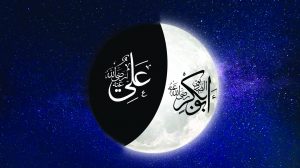 This was the immense love of Sayyidina Abu Bakr as Siddiq (as) for the love of Prophet ﷺ. This is the inheritance of Naqshbandiya tul ‘Aliya (The Most Distinguished Naqshbandi Order). That it’s not a coincidence that Allah (AJ) gave Naqshbandiya to be formed by Sayyidina Abu Bakr as Sadiq (as) because that was the inheritance. This is a man and a soul whom gave everything for the love of Prophet ﷺ. The child who gave everything for the love of Prophet ﷺ – Imam Ali (as). So means these are noble, honored souls. As a result that he gave everything for Prophet ﷺ, Allah (AJ) granted from the day of pre-destinies that, ‘You would be the father of Naqshbandiya tul ‘Aliya wa Siddiqiya. Because this kholoq, this character of yours I want you to dress this creation. Those whom I destined to be in this turuq (spiritual path), in this way that you dress them from your reality, your love.’
 Can you see all the Holy Companions what makes them to be special for Allah (AJ) was the love they had for Prophet ﷺ. ‘Your jens (product) is what I’m interested in. How you loved Prophet ﷺ, go teach this creation to love that way, make them Siddiqiya (truthful), make them to have this ‘ishq (love), make their Siddiq and truthfulness.’ Not that they don’t tell lies but that they’re truthful to their love of Sayyidina Muhammad ﷺ.
 So the whole university of Naqshbandiya tul ‘Aliya is that inheritance. Its deen (religion) and principle governance is under Sayyidina Abu Bakr as Siddiq (as). No matter what they call these names, it’s from Siddiqiya in which Sayyidina Abu Bakr as Siddiq (as) is the overlord of it. It means he’s the one whom perfects it and teaches it and intervenes on it so that their kholoq and their characters are of a beatific nature. That Allah (AJ) to be pleased with, Sayyidina Muhammad ﷺ to be pleased with and this is the immense immensity of the tariqah. That they have the full moon of this character, this love and this immense realities.
 We pray that Allah (AJ) dress us and bless us from the immensities of these lights. That grant us, grant us to be under the nazar of these beatific souls and the love that they have for Sayyidina Muhammad ﷺ. Because of our love for Prophet ﷺ, the immensity of which they want to help us, they want to reach to us and they want to dress us and bless us to lift us to that state, inshaAllah.
Subhana rabbika rabbal ‘izzati ‘amma yasifoon, wa salaamun ‘alal mursaleen, walhamdulillahi rabbil ‘aalameen. Bi hurmati Muhammad al-Mustafa ﷺ wa bi siri Surat al-Fatiha.
Special thanks to our transcribers for their help with transcribing this suhbah.
Original Date of Suhbah: June 10, 2023
Related Articles:
- The Gate of Truthfulness and How It Leads to the Presence of Sultanan Naseera?
- Be of Service & You’ll Be With Whom You Love
- Islam’s Message is Manners. There is No Spiritual Opening Without Good Character Q&A
- Take the Heat of Testing and Melt Away
- The Eternal Wardrobe: Your Soul’s Frequency Woven with Threads of Love
- Mystical Number 108 Kawthar, HAQ and Reality of Sacrifice
- 3 Points of Upper Star – Islam, Iman, Ihsan, Opening Your Vision
Please Donate and support us to spread these heavenly knowledges by clicking the heart button below.

Copyright © 2024 Naqshbandi Islamic Center of Vancouver, All Rights Reserved.